How to Reduce Repair Expenses for Old Skylight Windows: The Definitive Guide
Aging architectural roof windows eventually transition from passive daylight conduits into active financial liabilities. As seals degrade, timber frames weather, and flashing kits succumb to thermal fatigue, property owners face escalating repair demands that threaten long-term maintenance budgets. Consequently, mastering how to reduce repair expenses for old skylight windows requires a fundamental shift from reactive firefighting to proactive lifecycle management.
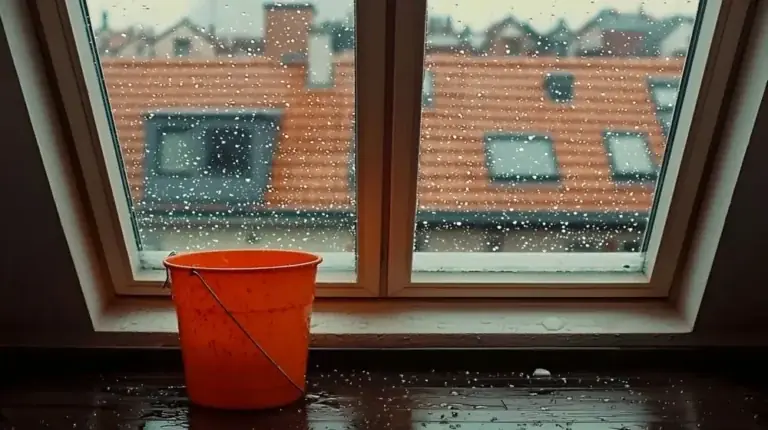
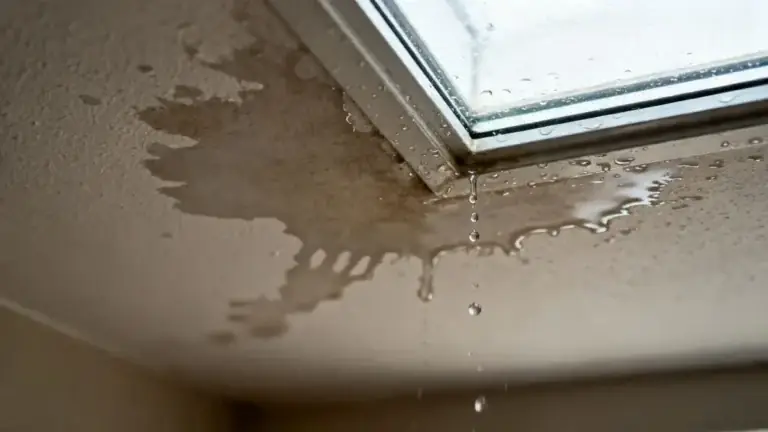
Addressing structural degradation on legacy installations demands moving past superficial cosmetic touch-ups or temporary exterior sealant applications. True cost reduction relies on an analytical understanding of material lifespans, preventative servicing intervals, and the critical threshold where incremental repairs become less economical than targeted replacement. Without a structured mitigation strategy, minor gasket failures rapidly snowball into extensive interior water damage and structural framing rot.
This guide provides an exhaustive analytical framework for identifying, diagnosing, and permanently minimizing repair overhead on aging overhead fenestration systems. Every section explores the nuanced trade-offs, material constraints, and logistical realities necessary to safeguard property assets without relying on superficial generalizations or marketing narratives.
Understanding how to reduce repair expenses for old skylight windows
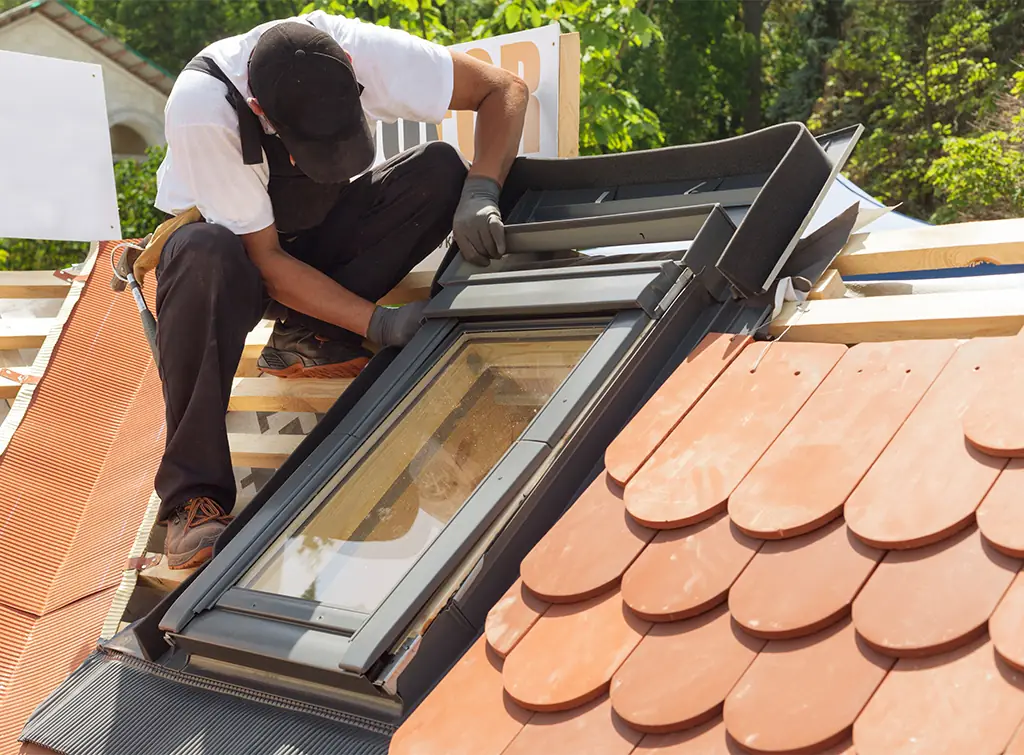
Approaching how to reduce repair expenses for old skylight windows requires looking past standard contractor service call fees to examine the underlying systemic wear patterns affecting vintage roof units. A prevalent misunderstanding treats maintenance as an unpredictable expense, assuming that windows can simply be left alone until an acute leak forces an emergency intervention. In reality, emergency service calls carry exorbitant labor premiums, whereas scheduled component rehabilitation distributes expenditures across manageable fiscal windows.
Analyzing these vulnerabilities from multiple perspectives reveals that deferred maintenance is the single largest driver of inflated repair costs. When a brittle exterior gasket or a cracked flashing lap is left unaddressed for multiple seasons, minor moisture infiltration rots adjacent roof decking and framing members, multiplying repair scope tenfold. Furthermore, oversimplification risks multiply when property owners assume that applying heavy layers of generic silicone caulk over aging assemblies provides a permanent fix, when trapped moisture actually accelerates metal corrosion and wood decay.
True mastery of how to reduce repair expenses for old skylight windows involves understanding how material fatigue, environmental exposure, and preventive intervention timing interact. Recognizing that vintage overhead apertures require specialized, timely component restoration prevents the compounding financial burdens that plague neglected architectural assets.
Deep Contextual Background: The Evolution of Fenestration Durability
The history of overhead window manufacturing is marked by a steady evolution in materials science, transitioning from early wood-framed single-pane units to modern factory-sealed, thermally broken assemblies. In early architectural traditions, roof windows relied on organic putty, lead flashing, and unseasoned timber, requiring frequent, hands-on restoration to remain weather-tight.
As building standards matured through the late twentieth century, the introduction of extruded aluminum framing, EPDM rubber gasketing, and insulated glass units drastically extended baseline operational lifespans. However, this longevity created an unforeseen consequence: property owners began to treat aging units as permanent installations, ignoring the reality that rubber gaskets, sealants, and flashings have finite service lives typically capped at twenty to thirty years. Consequently, millions of legacy installations are now reaching structural maturity simultaneously, driving an urgent need for cost-conscious rehabilitation strategies.
Today, analyzing how to reduce repair expenses for old skylight windows requires reconciling vintage building methods with contemporary maintenance protocols. Modern property management demands disciplined technical oversight to extend service life and prevent premature capital replacement expenditures.
Conceptual Frameworks and Mental Models
Navigating the financial and technical complexities of maintaining aging roof windows benefits from structured mental models and engineering frameworks.
1. The Component Depreciation and Lifecycle Curve
This model maps the accelerated degradation rate of organic gaskets, sealants, and flashing components as they pass their design life threshold.
-
Limit: It relies on generalized climate assumptions, occasionally failing to capture the impact of severe localized microclimates on material aging.
2. The Preventive-to-Emergency Cost Multiplier
This framework tracks how the financial cost of a repair escalates exponentially the longer an underlying defect is left unmanaged.
-
Limit: It focuses primarily on direct financial outlays, sometimes underestimating secondary losses like interior finish damage.
3. The Diminishing Returns Threshold of Repair
This mental model establishes the exact financial tipping point where the cumulative cost of ongoing repairs surpasses the capital expenditure of a full unit replacement.
-
Limit: It requires accurate historical maintenance data, which property owners rarely maintain for legacy installations.
Key Categories, Variations, and Trade-Offs
Examining cost-reduction strategies requires categorizing distinct intervention methods and evaluating their associated performance trade-offs.
Cost-Reduction Categories and Trade-Offs
-
Proactive Gasket and Seal Renewal: Replacing hardened EPDM weatherstripping and sash gasketing before they leak. Trade-off: Requires modest upfront material purchases, but prevents catastrophic interior water damage.
-
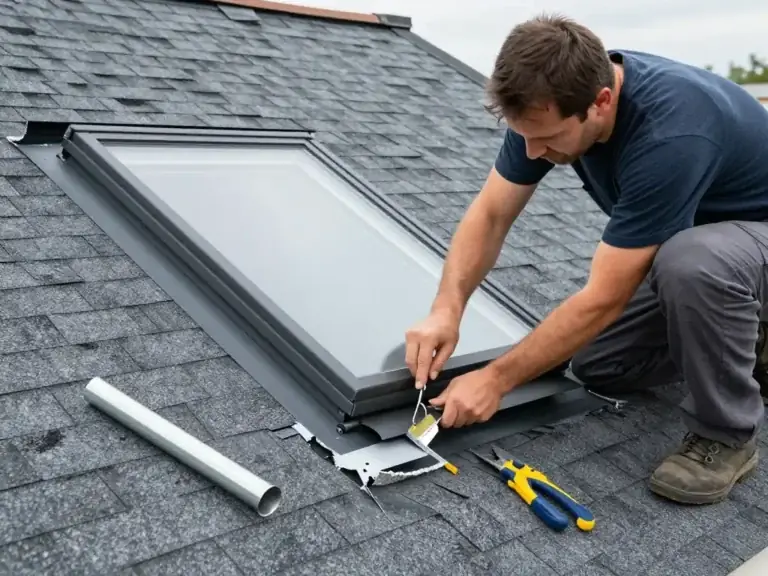
Targeted Flashing Kit Rehabilitation: Re-securing or replacing localized step-flashing sections rather than tearing out the entire roof assembly. Trade-off: Highly cost-effective for localized wear, yet impractical if underlying roof deck rot is widespread.
-
Insulating Glass Unit (IGU) Seal Restoration: Swapping out failed, fogged glass panes while retaining the existing window frame and curb. Trade-off: Drastically cheaper than full unit replacement, but restricted to frames with structurally sound timber or aluminum cores.
-
DIY Preventative Upkeep Execution: Performing routine semi-annual cleaning, lubrication, and minor seal checks without hiring professional contractors. Trade-off: Saves labor fees entirely, but requires physical access to roof planes and basic technical competence.
-
Phased Capital Allocation Staggering: Budgeting minor component repairs across multiple fiscal quarters to avoid lump-sum financial strain. Trade-off: Smooths cash flow management, yet leaves vulnerable units exposed if repairs are delayed too long.
-
Full Unit Replacement deferral vs. execution: Deciding whether to repair an ancient frame or replace it entirely with a modern, high-efficiency system. Trade-off: Avoids high immediate replacement capital outlays, but risks throwing good money after bad on structurally exhausted frames.
Category Comparison Table
| Maintenance Strategy | Upfront Capital Impact | Labor Complexity | Long-Term Financial Efficacy | Best Application Scenario |
| Proactive Gasket Renewal | Low – Moderate | Low – Moderate | High | Vintage frames with sound timber |
| Localized Flashing Fixes | Low | Moderate | Moderate | Isolated storm damage |
| IGU Glass Pane Swap | Moderate | Moderate | High | Fogged or broken seals |
| DIY Preventative Care | Minimal | Low | High | Routine annual upkeep |
| Full Unit Replacement | High | High | Maximum | Structurally rotted legacy frames |
Realistic Decision Logic
When analyzing how to reduce repair expenses for old skylight windows, property owners must evaluate whether repairing a vintage component provides genuine long-term value or merely defers an inevitable replacement. If an old wooden frame exhibits deep structural rot and fastener pull-out, spending money on new glass units or specialized sealants is a financial waste. Prioritizing capital towards full replacement when structural fatigue sets in remains the definitive rule of long-term cost control.
Detailed Real-World Scenarios
A : Fogged Insulating Glass Units in a Commercial Office
-
Context: A mid-century commercial building features twenty aging fixed roof windows whose internal seals have failed, causing severe interior fogging and optical degradation.
-
Constraints: Tight operational budget; strict rules against disrupting tenant activities during business hours.
-
Decision Points: Hiring a specialty glazing contractor to replace only the failed glass IGUs rather than tearing out the entire heavy aluminum curb structures.
-
Failure Modes: Attempting to drill holes in the glass panes to clear fog moisture yourself, permanently ruining the thermal coating and inviting water pooling.
-
Second-Order Effects: Significant capital savings compared to full unit replacement, restored natural daylight clarity, and extended service life for the existing metal frames.
B : Brittle Gasketing on Residential Venting Windows
-
Context: A residential property featuring twenty-year-old manual venting roof windows experiences minor drafts and dampness around the sash perimeter during heavy rains.
-
Constraints: Limited homeowner repair budget; desire to avoid emergency contractor service fees.
-
Decision Points: Sourcing manufacturer-specific replacement EPDM weatherstripping and installing the new gaskets during dry autumn weather.
-
Failure Modes: Forgetting to clean accumulated grit out of the gasket channels prior to pressing in new seals, preventing proper latch compression.
-
Second-Order Effects: Immediate elimination of air drafts and moisture leaks, completed at a fraction of the cost of a professional service call.
C : Localized Flashing Corrosion on a Coastal Home
-
Context: A coastal residence exposed to salt spray experiences localized corrosion and fastener failure along the lower apron flashing of an aging roof window.
-
Constraints: Aggressive corrosive environment; strict requirement for marine-grade material compatibility.
-
Decision Points: Replacing the degraded aluminum apron flashing with custom-formed copper flashing sections and stainless steel fasteners.
-
Failure Modes: Mixing dissimilar metals (such as aluminum flashing with steel nails), which accelerates galvanic corrosion and worsens leaks.
-
Second-Order Effects: Long-term weatherproofing security, enhanced resistance to marine corrosion, and avoidance of premature framing rot.
D : Rotted Rough Opening Frame Discovery
-
Context: A homeowner attempts a routine flashing repair on an old roof window and discovers soft, rotted plywood decking and framing timbers hidden beneath the metal.
-
Constraints: Fixed repair budget; unexpected structural carpentry requirements.
-
Decision Points: Halting minor cosmetic repairs immediately to reallocate contingency funds toward structural timber sistering and deck replacement.
-
Failure Modes: Nailing new flashing directly over the rotted wood deck to stay on schedule, guaranteeing structural collapse and severe interior leaks.
-
Second-Order Effects: Expanded project scope and temporary budget strain, successfully resolving hidden structural decay before it compromised the interior ceiling.
Planning, Cost, and Resource Dynamics
Strategic financial planning is essential when navigating how to reduce repair expenses for old skylight windows, ensuring that maintenance outlays are predictable and cost-effective.
Cost Structure and Variability
-
Preventative Component Outlays: Minimal expenses for replacement gaskets, silicone lubricants, and basic hand tools.
-
Specialized Glass and Hardware Costs: Expenses for custom-ordered replacement IGUs, sash chains, and matching flashing kits.
-
Professional Labor and Service Fees: Hourly or project-based wages for certified roofing contractors handling structural repairs.
-
Emergency Service Call Premiums: Exorbitant emergency rates charged by contractors responding to unmanaged acute water leaks during severe storms.
Cost Range Reference Table
| Repair / Maintenance Action | Average Financial Range | Primary Cost Drivers | Financial Risk Level |
| DIY Gasket & Seal Kit | $40 – $150 | Replacement rubber, basic tools | Low |
| Professional IGU Glass Swap | $400 – $1,200 | Custom glass sizing, labor hours | Moderate |
| Localized Flashing Repair | $300 – $900 | Flashing material, roofing labor | Moderate |
| Full Unit Replacement | $1,500 – $4,000+ | Window unit, roofing labor, crane | High (if deferred) |
Tools, Strategies, and Support Systems
Executing a cost-effective repair strategy for aging windows requires specialized tools, technical reference guides, and professional support networks.
-
Manufacturer Technical Parts Catalogs: Digital manuals identifying exact replacement part numbers for vintage window models, preventing incorrect purchases.
-
High-Grade EPDM and Silicone Gasket Rolls: Durable replacement weatherstripping materials ensuring airtight and watertight sash compression.
-
Precision Caulking Guns and Marine-Grade Sealants: Specialized chemical compounds designed to withstand thermal expansion and UV exposure.
-
Safety Harnesses and Roof Anchors: Essential fall protection equipment required for safe DIY access to steep roof planes.
-
Certified Roofing Contractor Directories: Professional networks used to source vetted expertise for complex structural framing or glass replacements.
-
Infrared Thermal Imaging Devices: Diagnostic tools used to locate hidden moisture pockets and thermal breaks around aging window frames.
-
Municipal Building Permit Checkpoints: Formal administrative systems ensuring major structural repairs comply with local building codes.
Risk Landscape and Failure Modes
Understanding the compounding risk profile associated with poor maintenance and delayed repairs highlights why cost control requires rigorous discipline.
-
Runaway Structural Rot: Deferring minor flashing or gasket repairs allows moisture to rot roof rafters and sheathing, turning a minor fix into a major structural overhaul.
-
Interior Mold Colonization: Unchecked slow leaks inside light shaft cavities foster toxic mold growth, creating expensive indoor air quality remediation liabilities.
-
Thermal Shock and Glass Fracture: Attempting DIY glass repairs without proper thermal spacing can induce sudden cracking, requiring emergency glass replacement.
-
Voided Product Warranties: Using unapproved aftermarket parts or improper repair techniques on legacy units invalidates any remaining manufacturer guarantees.
-
Escalating Contractor Surcharges: Neglecting maintenance until an emergency occurs forces property owners to pay premium rates for immediate contractor dispatch.
Governance, Maintenance, and Long-Term Adaptation
Protecting an aging roof window investment from runaway repair bills requires structured governance and disciplined seasonal maintenance protocols.
Monitoring and Review Cycles
-
Semi-Annual Visual Audits: Inspect glass seals, flashing laps, and gasket elasticity every spring and autumn.
-
Post-Storm Integrity Checks: Examine exterior flashings and operable sashes immediately following severe wind, hail, or heavy snow events.
-
Winter Condensation Monitoring: Check interior glass perimeters during sub-zero mornings to spot early seal failures and drainage blockages.
-
Annual Maintenance Log Review: Document all minor component replacements, cleaning sessions, and contractor service visits in a property archive.
Layered Maintenance Checklist
-
[ ] Inspect operable sash weatherstripping for cracking, flattening, or gaps.
-
[ ] Clean organic debris from exterior frame gutters, weep holes, and head flashing.
-
[ ] Lubricate mechanical hinge points and motor chains with silicone spray.
-
[ ] Check interior light shaft drywall surfaces for early moisture staining or peeling.
-
[ ] Review minor repair expenditures annually to evaluate cost trends.
Measurement, Tracking, and Evaluation
Assessing whether a cost-reduction strategy succeeded involves monitoring both quantitative financial data and qualitative performance indicators.
-
Leading Indicators: Completed semi-annual maintenance logs, verified unblocked drainage channels, and proactive component replacements executed before failure.
-
Lagging Indicators: Measurable year-over-year reductions in total repair expenditures and zero emergency contractor service calls.
-
Qualitative Signals: Pristine interior finish conditions, smooth mechanical operation, and complete peace of mind regarding building envelope integrity.
-
Documentation Examples: Maintaining a dedicated property ledger tracking dated material purchases, contractor invoices, and component warranty records.
Common Misconceptions and Oversimplifications
-
Myth: Old skylight windows should never be repaired; they must always be completely replaced at the first sign of trouble.
-
Correction: Many legacy units can have their useful lifespan significantly extended cost-effectively through targeted IGU glass swaps and gasket replacements.
-
-
Myth: Applying thick layers of silicone caulk over old flashing solves a leak permanently for minimal cost.
-
Correction: Surface caulking only provides a temporary band-aid; true cost reduction requires fixing underlying metal laps and underlayment defects.
-
-
Myth: Routine maintenance is a waste of money because roof windows are inherently self-cleaning.
-
Correction: Regular cleaning and minor preventative maintenance prevent minor wear from turning into catastrophic, expensive structural repairs.
-
-
Myth: Any generic hardware store weatherstripping can be used to repair vintage window sashes.
-
Correction: Using non-matching gaskets prevents proper sash compression, leading to ongoing air drafts and moisture leaks.
-
-
Myth: Phased repair strategies always cost more due to repeated contractor mobilization fees.
-
Correction: Phasing component repairs can effectively smooth cash flow management when aligned with scheduled seasonal maintenance.
-
-
Myth: Internal condensation on old glass is a normal condition requiring no corrective action.
-
Correction: Persistent condensation indicates failed IGU seals or high indoor humidity that accelerates frame rot and drives up repair costs.
-
Ethical, Practical, and Contextual Considerations
The practical implications of mastering how to reduce repair expenses for old skylight windows extend far beyond individual property economics. Unaddressed water leaks, mold proliferation, and structural framing compromises present documented health and safety hazards. Upholding rigorous maintenance and cost-control standards ensures long-term asset preservation, indoor air quality safety, and resource stewardship across the built environment.
Conclusion
Mastering how to reduce repair expenses for old skylight windows requires an uncompromised commitment to building science, preventative maintenance, and disciplined financial planning. By moving past reactive emergency interventions to execute proactive gasket renewals, targeted IGU glass swaps, and scheduled inspections, property owners can drastically lower lifecycle costs. True long-term success is secured through patient preparation, technical awareness, and consistent maintenance governance.