Common Skylight Windows Maintenance Mistakes & How to Avoid Them
Overhead apertures invite natural daylight deep into architectural interiors, transforming static ceiling planes into dynamic connections with the sky. Yet, because these installations breach the protective continuity of the roof deck, they demand rigorous, specialized upkeep to endure punishing weather cycles. Neglecting proper care routines or falling into habitual oversights compromises the entire building envelope, turning a minor oversight into a major structural liability.
Preserving the long-term integrity of overhead glazing units requires moving past casual cleaning habits to recognize the complex physical stresses these systems endure. Every seasonal cycle brings thermal expansion, wind uplift, and moisture accumulation that stress seals, flashing kits, and framing materials. Without a structured maintenance protocol, small errors accumulate quietly, culminating in premature seal failures and hidden water damage.
This guide provides an exhaustive analytical framework for identifying, avoiding, and rectifying common skylight windows maintenance mistakes. Every section explores the nuanced trade-offs, material constraints, and logistical realities required to safeguard structural efficiency without relying on superficial generalizations or marketing narratives.
Understanding common skylight windows maintenance mistakes
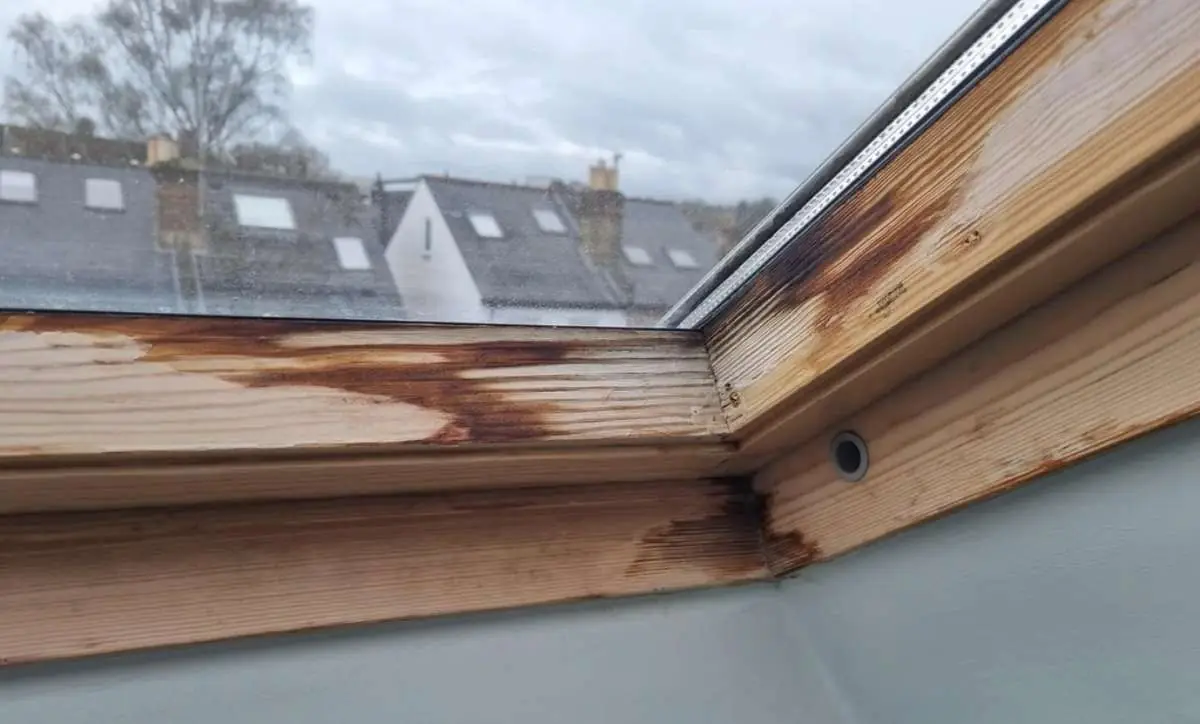
Approaching common skylight windows maintenance mistakes requires looking past basic window-washing habits to evaluate how physical interventions affect the broader roof-window interface. A prevalent misunderstanding treats overhead glass units like standard vertical windows, assuming that generic glass cleaners and abrasive scrub pads are universally safe for specialty coatings and plastic glazing domes. In reality, harsh chemical agents and abrasive tools strip away microscopic low-emissivity layers and scratch acrylic surfaces, permanently degrading thermal and optical performance.
Analyzing these vulnerabilities from multiple perspectives reveals that deferred maintenance causes more catastrophic failures than acute storm damage. When property owners ignore minor gutter clogs or small sealant cracks around the curb perimeter, water finds a pathway into the rough opening, initiating hidden rot. Furthermore, oversimplification risks multiply when maintainers assume that applying heavy layers of exterior caulk over aging flashing solves a leak, when trapped moisture actually accelerates structural decay.
True mastery of common skylight windows maintenance mistakes involves understanding how chemical compatibility, mechanical stress, and thermal movement interact across the roof plane. Recognizing that an overhead window requires specialized care protocols prevents the compounding errors that shorten the operational lifespan of high-performance architectural glazing.
Deep Contextual Background: The Evolution of Overhead Maintenance
The history of overhead window upkeep reflects the broader maturation of building science and materials engineering. In early architectural traditions, roof apertures consisted of simple single-pane glass set into wood or steel frames, requiring rudimentary cleaning and frequent re-glazing with linseed oil putty. These early systems demanded constant, hands-on intervention to stave off water infiltration.
The late twentieth century introduced factory-sealed insulating glass units, extruded aluminum frames, and self-adhering waterproofing membranes, which dramatically reduced routine maintenance requirements. However, this technological leap inadvertently fostered a false sense of invulnerability among property owners, who began to treat roof windows as maintenance-free installations. As contemporary building codes drove up thermal insulation standards, the complexity of maintaining modern low-E coatings and motorized venting mechanisms increased significantly.
Today, analyzing common skylight windows maintenance mistakes requires reconciling high-performance factory engineering with the realities of ongoing field care. Modern construction demands disciplined maintenance protocols to protect complex building envelopes from premature degradation.
Conceptual Frameworks and Mental Models
Navigating the technical complexities of overhead window upkeep benefits from structured mental models and engineering frameworks.
1. The Chemical Compatibility Matrix
This model tracks how cleaning solutions interact with organic gaskets, acrylic domes, and glass coatings, ensuring that maintenance agents do not degrade material integrity.
-
Limit: It focuses solely on chemical reactions, occasionally underestimating the physical abrasion caused by improper wiping techniques.
2. The Thermal Shock and Maintenance Cycle
This framework maps how cold cleaning water applied to sun-baked glass induces rapid temperature differentials that can shatter tempered panes.
-
Limit: It relies on ambient weather assumptions, sometimes failing to account for localized microclimates on steep roof pitches.
3. The Preventive Intervention Hierarchy
This mental model categorizes upkeep actions from low-impact visual inspections to high-impact seal replacements, prioritizing non-invasive checks before invasive repairs.
-
Limit: It assumes consistent human execution, failing if property owners skip routine inspection intervals entirely.
Key Categories, Variations, and Trade-Offs
Examining maintenance errors requires categorizing distinct upkeep failures and evaluating their associated performance trade-offs.
Maintenance Mistake Categories and Trade-Offs
-
Using Abrasive Cleaners on Acrylic Domes: Applying harsh scrubbing powders or stiff bristle brushes to plastic skylight domes. Trade-off: Removes surface dirt quickly, but leaves micro-scratches that attract stubborn grime and yellow under UV exposure.
-
Applying Cold Water to Hot Glass: Washing sun-baked exterior glass panes with cold hose water during peak summer afternoons. Trade-off: Cools the glass for cleaning, but induces severe thermal shock leading to sudden glass fracture.
-
Ignoring Exterior Weep Channels: Failing to clear organic debris from factory weep holes and condensation drainage channels. Trade-off: Saves time during basic roof cleanings, but traps condensation inside the frame, leading to interior water staining.
-
Over-Relying on Exterior Sealant Patches: Smearing thick layers of silicone over leaking metal flashing joints instead of addressing root causes. Trade-off: Provides a temporary visual fix, yet traps moisture against the metal and accelerates corrosion.
-
Power Washing Directly at Gasket Seals: Using high-pressure commercial power washers directly against operable sash weatherstripping and flashing laps. Trade-off: Cleans surrounding shingles rapidly, but forces high-pressure water past gaskets and into the rough opening.
-
Neglecting Motorized Hardware Lubrication: Forgetting to lubricate chain drives and mechanical tracks on vented roof windows. Trade-off: Avoids messy grease application, but causes premature motor burn-out and mechanical jamming.
Category Comparison Table
| Maintenance Error Category | Immediate Consequence | Long-Term Impact | Prevention Protocol | Severity Risk |
| Abrasive Plastic Cleaning | Surface scratching | UV degradation, yellowing | Use mild soap and soft cloths | Moderate |
| Thermal Shock Washing | Glass fracture | Expensive pane replacement | Clean during cool morning hours | High |
| Blocked Weep Channels | Trapped condensation | Mold growth, drywall stains | Clear channels semi-annually | Moderate |
| Silicone Sealant Patching | Temporary leak stop | Accelerated metal corrosion | Repair actual flashing laps | High |
| High-Pressure Power Washing | Gasket intrusion | Roof deck rot | Use low-pressure manual rinsing | Severe |
Realistic Decision Logic
When analyzing common skylight windows maintenance mistakes, property owners must evaluate whether a shortcut saves genuine effort or merely defers a costly repair. If an individual uses a high-pressure washer to clean roof windows quickly to save time, the water forced past the weatherstripping will cause hundreds of dollars in hidden interior drywall damage. Prioritizing correct cleaning methods over speed remains the golden rule of building maintenance.
Detailed Real-World Scenarios
A : Thermal Shock Fracture on a South-Facing Roof
-
Context: A homeowner washing exterior roof windows on a hot summer afternoon sprays cold well water directly onto baking south-facing glass panes.
-
Constraints: High ambient temperatures; direct solar exposure.
-
Decision Points: Prioritizing immediate window cleaning without waiting for the glass surface to cool down in the shade.
-
Failure Modes: The sudden thermal differential between the cool water and the hot glass induces immediate thermal shock, shattering the tempered outer pane.
-
Second-Order Effects: Costly emergency glass replacement, interior water exposure during stormy weather, and loss of conditioned indoor air.
B : High-Pressure Power Washing Water Intrusion
-
Context: A commercial maintenance crew uses an industrial power washer at high PSI to clean a row of flat-roof skylight curbs and surrounding membrane roofing.
-
Constraints: Time pressure to complete large-scale exterior property cleaning.
-
Decision Points: Directing the high-pressure water jet closely around the window curb flashings and operable sash gaskets.
-
Failure Modes: The intense water pressure overcomes the compression gaskets, forcing water past the weatherstripping and into the ceiling cavities below.
-
Second-Order Effects: Widespread interior ceiling tile collapse, soaked insulation, and costly mold remediation across multiple office suites.
C : Neglected Weep Holes in a Humid Climate
-
Context: A property manager in a humid coastal region ignores routine semi-annual roof window maintenance, allowing pine needles and pollen to clog the exterior frame drainage channels.
-
Constraints: Low priority assigned to roof inspections; lack of scheduled maintenance logs.
-
Decision Points: Skipping routine gutter and skylight clearing to allocate maintenance labor to ground-level landscaping.
-
Failure Modes: Condensation running down the glass collects in the blocked drainage channel, overflowing into the interior drywall framing.
-
Second-Order Effects: Chronic moisture accumulation fosters black mold growth along the light shaft corners, requiring drywall replacement and air quality remediation.
D : Abrasive Scrubbing of Acrylic Domes
-
Context: A residential owner attempts to clean bird droppings off an older acrylic dome skylight using an aggressive scouring pad and powdered household cleanser.
-
Constraints: Desire to remove stubborn stains quickly without purchasing specialized plastic cleaners.
-
Decision Points: Using abrasive materials that scratch the soft acrylic surface.
-
Failure Modes: The abrasive pad mars the plastic optical clarity, creating microscopic grooves that rapidly trap airborne dirt and accelerate UV yellowing.
-
Second-Order Effects: Permanent optical degradation, reduced light transmission, and eventual structural embrittlement of the plastic dome requiring full replacement.
Planning, Cost, and Resource Dynamics
Strategic financial planning is essential when navigating common skylight windows maintenance mistakes, ensuring that preventative care outlays prevent expensive emergency repairs.
Cost Structure and Variability
-
Preventative Care Outlays: Low-cost investments in mild cleaning soaps, microfiber cloths, and silicone spray lubricants for mechanical hinges.
-
Professional Inspection Fees: Costs for hiring certified roofing contractors to conduct annual structural and flashing envelope audits.
-
Emergency Remediation Expenses: Financial outlays for repairing water-damaged drywall, replacing shattered glass, and clearing mold colonies.
-
Equipment Rental Costs: Expenses for roof harnesses, safety anchors, and extension ladders required for safe maintenance access.
Cost Range Reference Table
| Maintenance / Repair Scope | Average Financial Range | Primary Cost Drivers | Risk Level of Inaction |
| DIY Preventative Upkeep Kit | $25 – $75 | Mild soap, microfiber, lubricants | Low |
| Professional Roof Window Audit | $200 – $500 | Certified labor, travel, inspection report | Moderate |
| Gasket & Weatherstripping Replacement | $300 – $900 | Replacement parts, specialized labor | Moderate – High |
| Emergency Leak & Mold Remediation | $1,500 – $5,000+ | Drywall repair, mold treatment, glass swap | Severe |
Tools, Strategies, and Support Systems
Executing effective maintenance routines requires specialized tools, cleaning agents, and professional support networks.
-
Non-Abrasive Microfiber Cleaning Cloths: Essential soft cloths used to wash glass and acrylic surfaces without scratching coatings.
-
pH-Neutral Glass and Plastic Cleaners: Specially formulated chemical solutions designed to clean glazing without degrading low-E coatings or crazing plastic domes.
-
Silicone Spray Lubricants: Specialized non-petroleum lubricants used to maintain smooth operation on metal chains, hinges, and weatherstripping.
-
Telescopic Extension Poles: Tools enabling ground-level or ladder-safe washing of high-vaulted overhead windows.
-
Certified Roofing Contractor Directories: Professional networks providing vetted expertise for complex flashing and gasket inspections.
-
Safety Harnesses and Fall Protection Gear: Mandatory personal protective equipment for safely accessing steep roof planes during maintenance work.
-
Manufacturer Maintenance Manuals: Technical reference guides outlining specific approved cleaning agents and adjustment procedures.
Risk Landscape and Failure Modes
Understanding the compounding risk profile associated with poor maintenance habits highlights why proper upkeep protocols are non-negotiable.
-
Premature Seal Failure: Using harsh chemical solvents breaks down the organic butyl and silicone seals connecting insulating glass units, causing internal fogging.
-
Structural Timber Rot: Unchecked condensation overflow and blocked weep channels silently rot roof framing members around the rough opening.
-
Electrical Short Circuits and Fires: Water intrusion from poor power washing or neglected gaskets reaching motorized blind wiring creates severe electrical hazards.
-
Loss of Optical Clarity and Daylight: Abrasive cleaning methods permanently cloud plastic domes, destroying the primary architectural benefit of the installation.
-
Voided Manufacturer Warranties: Employing unapproved cleaning chemicals, high-pressure washers, or abrasive tools instantly invalidates product guarantees.
Governance, Maintenance, and Long-Term Adaptation
Protecting overhead glazing installations from premature failure requires structured governance and disciplined seasonal maintenance protocols.
Monitoring and Review Cycles
-
Semi-Annual Cleaning and Inspection: Wash glass surfaces, clear exterior debris channels, and inspect weatherstripping twice a year during spring and autumn.
-
Pre-Winter Thermal Seal Audits: Check interior glass perimeters and frame edges during sub-zero mornings to verify thermal seal performance.
-
Post-Storm Exterior Checks: Inspect flashing aprons and dome surfaces immediately following severe wind or hail storms.
-
Annual Mechanical Lubrication Check: Test motorized venting sashes and lubricate mechanical tracks and chains once a year.
Layered Maintenance Checklist
-
[ ] Wash glass or acrylic surfaces using pH-neutral soap and soft microfiber cloths.
-
[ ] Clear organic debris from exterior frame gutters, weep holes, and head flashing.
-
[ ] Inspect operable sash weatherstripping for cracking, flattening, or gaps.
-
[ ] Lubricate mechanical hinge points and motor chains with silicone spray.
-
[ ] Check interior light shaft drywall surfaces for early moisture staining or peeling paint.
Measurement, Tracking, and Evaluation
Assessing whether maintenance routines succeed involves monitoring both quantitative structural data and qualitative visual indicators.
-
Leading Indicators: Completed semi-annual maintenance logs, verified unblocked weep channels, and pristine weatherstripping elasticity.
-
Lagging Indicators: Zero water intrusion across multiple seasonal rainstorms and absence of internal glass fogging or seal failure.
-
Qualitative Signals: Crystal-clear glass optics, smooth motorized sash operation, and zero draft sensations beneath overhead windows.
-
Documentation Examples: Maintaining a dedicated home maintenance binder with dated cleaning logs, contractor inspection reports, and product warranty certificates.
Common Misconceptions and Oversimplifications
-
Myth: Modern roof windows are entirely maintenance-free and require no ongoing inspections.
-
Correction: Even high-performance windows require regular cleaning, weep hole clearing, and gasket checks to prevent premature failure.
-
-
Myth: Standard household glass cleaner and paper towels are safe for all skylight glazing types.
-
Correction: Ammonia-based cleaners and abrasive paper towels can scratch acrylic domes and damage specialized low-E glass coatings.
-
-
Myth: Power washing is the fastest and safest way to clean roof windows and surrounding flashing.
-
Correction: High-pressure water forces moisture past gaskets and flashing laps, causing severe interior water damage and structural rot.
-
-
Myth: Applying silicone caulk over leaking flashing solves a roof window leak permanently.
-
Correction: Surface caulking only provides a temporary band-aid; true leaks require addressing underlying metal flashing and underlayment defects.
-
-
Myth: Cold water washing on a hot summer day cools the window safely for cleaning.
-
Correction: Rapid temperature differentials induce severe thermal shock, frequently shattering tempered glass panes.
-
-
Myth: Internal condensation is normal and requires no maintenance intervention.
-
Correction: Persistent condensation indicates high indoor humidity or blocked drainage channels that can foster toxic mold growth.
-
Ethical, Practical, and Contextual Considerations
The practical implications of preventing common skylight windows maintenance mistakes extend far beyond individual property economics. Unaddressed water leaks, mold proliferation, and structural framing compromises present documented health and safety hazards. Upholding rigorous maintenance standards ensures long-term asset preservation, indoor air quality safety, and resource stewardship across the built environment.
Conclusion
Mastering how to avoid common skylight windows maintenance mistakes requires an uncompromised commitment to building science, proper material care, and disciplined seasonal upkeep. By looking past surface-level shortcuts to adopt pH-neutral cleaning protocols, safe temperature management, and thorough weep-hole clearing, property owners can protect their architectural investments for decades. True long-term success is secured through patient planning, technical awareness, and consistent maintenance governance.