How to Manage Cracked Glass in Skylight Windows: The Definitive Guide
Overhead architectural glazing introduces dynamic natural illumination, yet structural components are continuously exposed to severe environmental stressors, thermal cycling, and physical impact. When a fracture breaches the outer or inner pane of an overhead aperture, property owners face an immediate structural emergency. Knowing how to manage cracked glass in skylight windows requires balancing immediate emergency containment with rigorous diagnostic evaluation and long-term architectural restoration.
A fractured roof window represents more than a cosmetic blemish or an isolated leak vector; it signifies a compromised building envelope. Furthermore, gravitational forces and constant wind-uplift pressures act upon the broken pane, threatening rapid structural disintegration if proper containment procedures are delayed. Therefore, analyzing material physics, safety protocols, and glazing variations provides the foundation for effective structural intervention.
This guide provides an exhaustive analytical framework for identifying, stabilizing, and permanently resolving glass fractures in overhead fenestration systems. Every section explores the nuanced trade-offs, engineering requirements, and logistical realities necessary to safeguard building integrity without relying on superficial generalizations or marketing narratives.
Understanding how to manage cracked glass in skylight windows
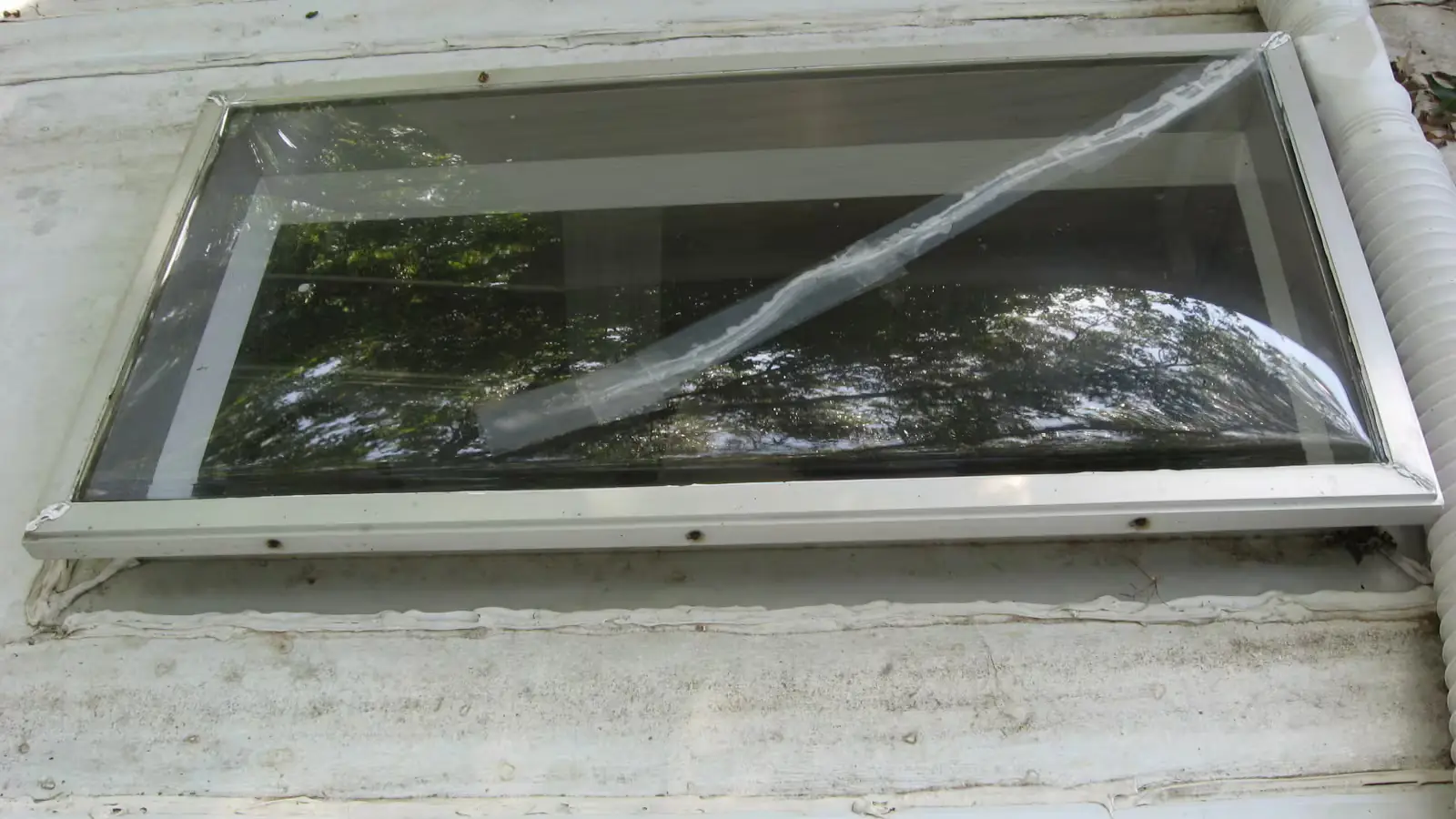
Approaching how to manage cracked glass in skylight windows requires looking past temporary surface patches to examine the mechanical and environmental forces that triggered the fracture. A prevalent misunderstanding treats overhead glass breakage like a standard vertical window crack, assuming that heavy-duty adhesive tape applied from the interior will provide permanent protection against water infiltration and structural collapse. In reality, roof windows withstand intense solar radiation, thermal shock, and gravity loads that continuously stress fractured panes.
Analyzing these vulnerabilities from multiple perspectives reveals that distinguishing between an outer pane thermal stress crack and an inner pane impact shatter dictates the entire remediation strategy. When an outer pane cracks due to localized shadowing or thermal expansion, the inner laminated layer often remains intact, maintaining basic weather security temporarily. However, oversimplification risks multiply when property owners delay full replacement, assuming that laminated safety glass eliminates the danger of sudden structural disintegration under high winds.
True mastery of how to manage cracked glass in skylight windows involves understanding how building physics, glass tempering patterns, and moisture management interact. Recognizing that a cracked roof window requires immediate containment followed by professional sash or glass replacement prevents the compounding structural failures that plague delayed interventions.
Deep Contextual Background: The Evolution of Overhead Safety Glazing
The history of overhead glass engineering is defined by a relentless drive to enhance occupant safety against falling shards. In early architectural traditions, roof windows utilized standard annealed glass, which fractured into large, dagger-like shards upon impact, posing extreme hazards to occupants below.
The mid-to-late twentieth century revolutionized the industry with mandatory building code updates requiring tempered and laminated safety glass for all overhead applications. Tempered glass shatters into small, blunt cubes under stress, while laminated assemblies utilize a polyvinyl butyral (PVB) or SentryGlas interlayer that holds shattered fragments together even when completely cracked. Despite these safety advancements, modern building envelopes subject these glazing assemblies to unprecedented thermal stress due to high-performance coatings, low-E films, and extreme weather volatility.
Today, analyzing how to manage cracked glass in skylight windows requires reconciling advanced manufacturing technologies with the unpredictable realities of field impact loads and thermal cycling. Modern construction demands rigorous technical protocols to safely handle and replace compromised glazing units without risking interior damage or structural failure.
Conceptual Frameworks and Mental Models
Navigating the technical complexities of fractured overhead glass benefits from structured mental models and engineering frameworks.
1. The Glazing Structural Integrity Matrix
This model categorizes glass damage based on which pane (outer, inner, or both) has failed, determining the immediate urgency of emergency containment versus scheduled replacement.
-
Limit: It assumes uniform glass composition, occasionally failing to account for custom tinting or specialized solar-control laminates.
2. The Thermal Stress Propagation Axis
This framework maps how localized temperature differentials across a pane—often induced by partial shading from tree branches or architectural overhangs—drive linear stress fractures across the glass surface.
-
Limit: It focuses predominantly on steady-state solar loading, sometimes overlooking sudden wind-induced pressure fluctuations.
3. The Gravity Containment Hierarchy
This mental model prioritizes interior occupant safety above all else, enforcing immediate debris-netting or plastic barrier deployment beneath any overhead fracture where laminated interlayers show signs of sagging.
-
Limit: It addresses safety symptoms rather than root mechanical causes, requiring swift transition to permanent structural repair.
Key Categories, Variations, and Trade-Offs
Examining fracture types and containment strategies requires categorizing the distinct phases of glass management and evaluating their associated trade-offs.
Glass Management Categories and Trade-Offs
-
Emergency Interior Containment: Applying heavy-duty polyethylene sheeting and structural plywood barriers beneath the window. Trade-off: Blocks natural light entirely, but protects living spaces from falling glass debris and sudden water leaks.
-
Exterior Weatherproofing Seal: Taping over exterior cracks with specialized UV-resistant waterproof flashing tape. Trade-off: Provides short-term rain protection, but degrades rapidly under direct solar radiation and requires meticulous surface cleaning to adhere.
-
Sash-Only Replacement: Swapping out the operable glass sash module while retaining the existing exterior frame and flashing curb. Trade-off: Lowers labor cost and avoids disturbing roof shingles, but is only viable if the underlying frame is undamaged.
-
Complete Unit Reconstruction: Total removal and replacement of the window frame, flashing kit, and glazing assembly. Trade-off: High upfront capital and labor investment, but ensures a fresh manufacturer warranty and verified weather-tightness.
-
Tempered vs. Laminated Glass Selection: Choosing between single-layer tempered glass or multi-layer laminated glass for the replacement unit. Trade-off: Tempered glass is cost-effective, while laminated glass provides superior structural retention and UV protection.
-
Professional Insurance Claim Management: Engaging public adjusters or specialized roofing contractors to document storm damage for insurance reimbursement. Trade-off: Administrative time delay, but significantly offsets out-of-pocket replacement expenses.
Category Comparison Table
| Management Strategy | Primary Objective | Safety Level | Operational Impact | Long-Term Durability |
| Emergency Containment | Prevent debris drop | High | Blocks interior light | Temporary (days to weeks) |
| Exterior Flashing Tape | Stop water ingress | Moderate | Weather-dependent | Short-term (weeks) |
| Sash Module Replacement | Restore glass integrity | High | Minimal roof disruption | Permanent |
| Full Unit Reconstruction | Reset building envelope | Maximum | Requires roofing work | Maximum permanent life |
| Laminated Glass Upgrade | Prevent shattering fallout | Maximum | Moderate cost increase | Superior weather resilience |
Realistic Decision Logic
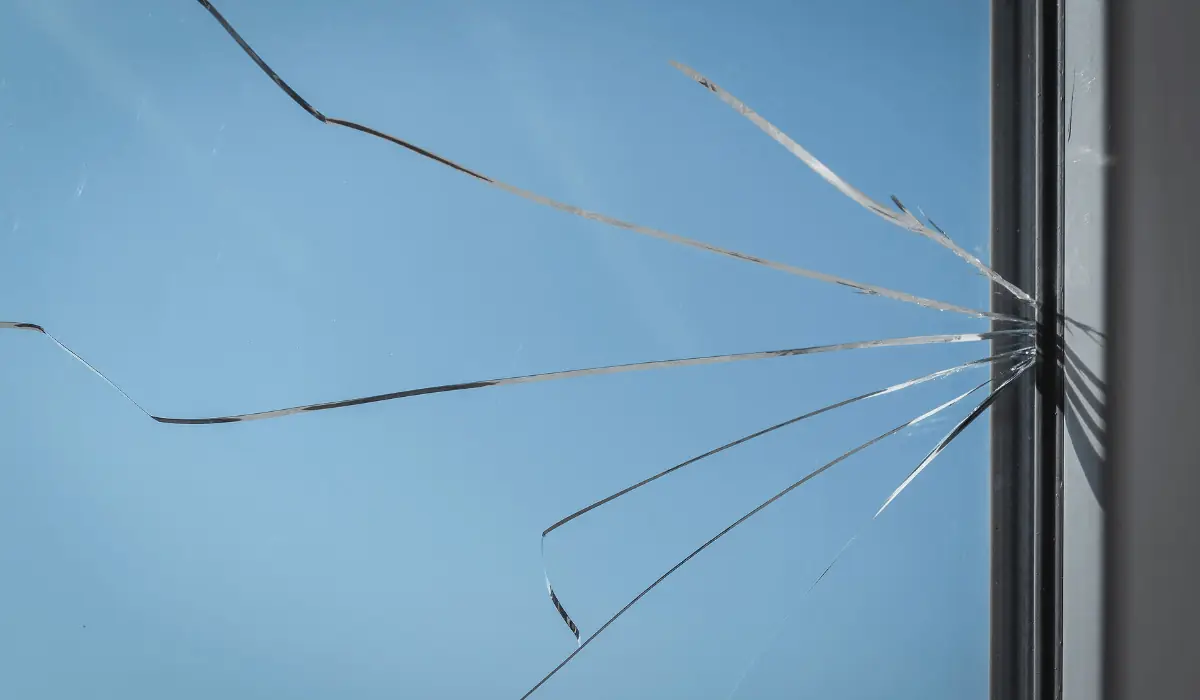
When analyzing how to manage cracked glass in skylight windows, property owners must evaluate whether a fracture is cosmetic (such as an outer thermal crack in a laminated unit where the inner pane is sound) or catastrophic (such as a multi-pane star fracture with active leaking). If an outer pane cracks due to thermal stress, emergency containment can be methodical while ordering a replacement sash. Conversely, if both panes shatter from impact, immediate interior containment and emergency tarping are mandatory to prevent structural water damage.
Detailed Real-World Scenarios
A : Thermal Stress Fracture on a Laminated Outer Pane
-
Context: A large fixed roof window develops a long, clean linear crack across the exterior pane during a sudden transition from freezing morning frost to intense midday sun.
-
Constraints: High vaulted ceiling; inner laminated pane remains completely intact and air-sealed.
-
Decision Points: Avoiding panic emergency boarding while scheduling a custom replacement sash module through the manufacturer.
-
Failure Modes: Attempting to inject liquid glass repair resin into an overhead architectural pane, which fails under thermal expansion and ruins optical clarity.
-
Second-Order Effects: Controlled replacement of the glass sash within standard delivery lead times, maintaining interior comfort and zero water intrusion.
B : Hail Impact Shatter During a Severe Summer Storm
-
Context: A severe hailstorm strikes a residential neighborhood, fracturing both outer and inner panes of multiple deck-mounted roof windows, leading to active indoor dripping.
-
Constraints: Ongoing rainstorms; slippery roof conditions preventing immediate exterior repair.
-
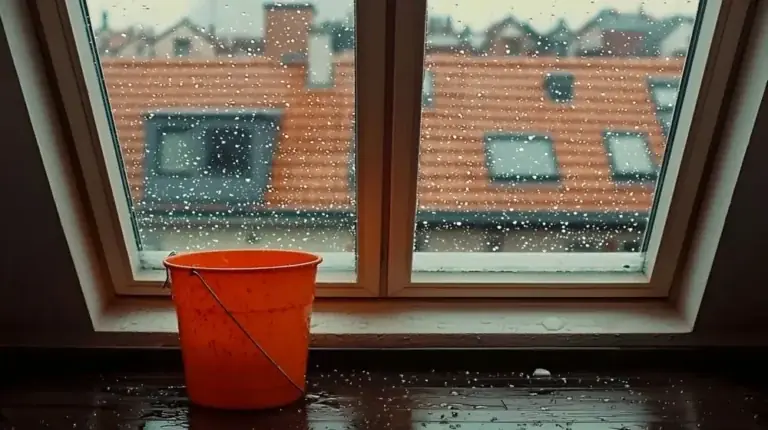
Decision Points: Deploying interior containment plastic sheeting and catching buckets immediately, followed by emergency tarping of the roof curb once weather clears.
-
Failure Modes: Climbing onto a wet, steep roof during an active storm to apply tape, resulting in severe fall hazards and personal injury.
-
Second-Order Effects: Comprehensive insurance claim filing, professional water damage mitigation inside the living room, and complete unit replacements.
C : Falling Tree Branch Impact on an Aging Skylight
-
Context: A heavy oak branch drops onto a legacy curb-mounted window, causing a massive spiderweb fracture pattern with glass sagging downward into the interior light shaft.
-
Constraints: Immediate safety hazard to occupants; unstable glass fragments threatening to detach.
-
Decision Points: Erecting a secure interior scaffolding platform and fastening heavy protective plywood beneath the opening before any physical extraction begins.
-
Failure Modes: Tapping on the fractured glass from below to test stability, dislodging sharp shards onto the floor or workers.
-
Second-Order Effects: Safe extraction of compromised elements, structural inspection of the wood curb, and installation of a modern, impact-resistant replacement unit.
D : Interior Condensation Freezing and Edge Cracking
-
Context: An uninsulated frame in a cold climate allows heavy condensation to pool, freeze, and expand within the glazing pocket, causing a stress fracture originating from the spacer bar.
-
Constraints: Sub-zero outdoor temperatures; high indoor humidity generation.
-
Decision Points: Addressing both the cracked glass replacement and upgrading the frame insulation to prevent recurrence.
-
Failure Modes: Replacing the glass unit without correcting the underlying thermal bridge, leading to identical freeze-crack failure the following winter.
-
Second-Order Effects: Long-term resolution achieved only after combining glass replacement with comprehensive curb insulation wrapping.
Planning, Cost, and Resource Dynamics
Strategic financial planning is essential when navigating how to manage cracked glass in skylight windows, as unexpected damage can disrupt household budgets if not managed systematically.
Cost Structure and Variability
-
Emergency Assessment and Stabilization: Costs for immediate contractor callout, safety scaffolding setup, and temporary weatherproofing tarps.
-
Glass Sash vs. Full Unit Pricing: Material costs varying significantly between ordering a drop-in replacement sash versus a complete new window assembly.
-
Specialized Installation Labor: Hourly or project-based rates for certified technicians capable of high-ceiling glass handling.
-
Insurance Deductibles and Claims: Financial outlays determined by homeowner policy coverage regarding storm or impact damage.
Cost Range Reference Table
| Management Response Level | Average Financial Range | Primary Cost Drivers | Insurance Eligibility |
| Emergency Containment & Tarping | $250 – $600 | Labor callout, materials, safety staging | Dependent on peril |
| Replacement Sash Module | $600 – $1,800 | Manufacturer glass unit, basic labor | High if storm-related |
| Complete Unit Reconstruction | $1,500 – $4,500 | Full window, flashing, roofing labor | High if storm-related |
| Complex Craned Commercial Glass | $4,000 – $10,000+ | Crane rental, commercial crew, custom glass | Variable |
Tools, Strategies, and Support Systems
Executing a safe glass management strategy requires specialized tools, personal protective equipment, and professional support networks.
-
Heavy-Duty Cut-Resistant Gloves and Safety Eyewear: Mandatory PPE protecting handlers from razor-sharp glass edges during emergency cleanup.
-
Industrial Polyethylene Sheeting and Framing Lumber: Materials used to construct secure interior debris containment barriers.
-
Specialized Glass Suction Cups: Ergonomic handles enabling secure grip and control during heavy overhead glass extraction.
-
Insurance Documentation Software and Photo Logs: Tools required to capture comprehensive damage evidence for claims adjusters.
-
Manufacturer Warranty Support Desks: Technical resources providing exact model specifications for accurate replacement ordering.
-
Certified Glazing and Roofing Contractors: Professional networks ensuring safe high-altitude extraction and weather-tight re-installation.
-
High-Grade Structural Silicone Sealants: Weather-resistant compounds securing temporary or permanent perimeter seals.
Risk Landscape and Failure Modes
Understanding the compounding risk profile associated with managed versus neglected glass fractures illustrates why prompt action is critical.
-
Sudden Glass Fallout and Injury: Unsecured fractured panes can drop heavy glass shards into living spaces, causing severe physical trauma.
-
Accelerated Water Infiltration: Broken seals and open cracks allow wind-driven rain to flood insulation, drywall, and structural framing.
-
Hidden Mold Colonization: Moisture trapped inside light shaft cavities following a fracture breeds toxic mold colonies rapidly.
-
Electrical Fire Hazards: Water tracking into motorized window opening mechanisms or internal blind wiring creates short-circuit risks.
-
Compromised Thermal Envelope: Broken glass drastically increases heat loss, spiking utility bills and inducing severe interior condensation.
Governance, Maintenance, and Long-Term Adaptation
Protecting an overhead glazing investment from recurring fracture risks requires structured governance and proactive maintenance protocols.
Monitoring and Review Cycles
-
Post-Storm Visual Audits: Inspect all overhead apertures immediately following severe hail, wind, or ice storms.
-
Semi-Annual Frame and Seal Inspections: Check exterior metal frames and glazing gaskets for shifting or structural stress signs twice a year.
-
Tree Branch Clearance Schedules: Trim surrounding overhanging tree branches annually to eliminate impact hazards from falling limbs.
-
Indoor Humidity Audits: Monitor relative humidity levels during winter to prevent moisture buildup and freeze-crack vulnerabilities.
Layered Maintenance Checklist
-
[ ] Inspect exterior glass surfaces for hairline thermal stress fractures.
-
[ ] Clear organic debris from exterior flashing channels and weeping zones.
-
[ ] Trim overhanging tree branches away from the roof aperture zone.
-
[ ] Verify interior light shaft drywall integrity for hidden water tracking.
-
[ ] Test motorized opening mechanisms and emergency rain sensors.
Measurement, Tracking, and Evaluation
Assessing whether a glass management and replacement strategy succeeded involves monitoring both quantitative data and qualitative indicators.
-
Leading Indicators: Verified manufacturer warranty compliance, approved insurance claim settlements, and successful structural inspection sign-offs.
-
Lagging Indicators: Total absence of water intrusion, stable indoor climate metrics, and zero glass degradation across multiple seasonal cycles.
-
Qualitative Signals: Restored optical clarity, pristine interior finishes, and complete peace of mind regarding structural safety.
-
Documentation Examples: Retaining itemized contractor invoices, insurance adjustment reports, and manufacturer replacement part numbers in a home file.
Common Misconceptions and Oversimplifications
-
Myth: A cracked skylight glass pane can be safely repaired with standard household window film or clear packing tape.
-
Correction: Household tapes cannot withstand overhead UV exposure, thermal stress, or water pressure, making professional containment or replacement mandatory.
-
-
Myth: If only the outer pane cracks on a laminated window, there is no urgency to replace it.
-
Correction: While the inner pane maintains temporary safety, compromised outer panes expose the interlayer to moisture degradation and eventual structural failure.
-
-
Myth: Any local glazier can service overhead roof windows without specialized roofing knowledge.
-
Correction: Skylight replacement requires strict integration with roof flashing kits and waterproofing underlayment to prevent chronic leaks.
-
-
Myth: Thermal stress cracks only occur during extreme summer heatwaves.
-
Correction: Sudden frost-to-sun transitions in spring and autumn frequently induce severe thermal shock fractures across glass surfaces.
-
-
Myth: Homeowner insurance policies automatically cover all skylight glass breakage regardless of cause.
-
Correction: Policies typically cover sudden storm damage (like hail or falling trees) but routinely exclude wear-and-tear or thermal stress fractures.
-
-
Myth: Temporary interior containment plastic sheeting is sufficient as a multi-year fix.
-
Correction: Plastic barriers degrade under indoor heat and UV light, failing to restore thermal efficiency, structural integrity, or natural lighting.
-
Ethical, Practical, and Contextual Considerations
The practical implications of properly managing fractured overhead glass extend beyond individual property economics. Unresolved structural damage and water leaks present documented health and safety hazards, particularly through indoor mold proliferation and sudden glass fallout risks. Upholding rigorous building standards ensures long-term asset preservation and occupant safety across the residential environment.
Conclusion
Mastering how to manage cracked glass in skylight windows requires an uncompromised commitment to emergency safety, structural assessment, and professional replacement protocols. By understanding the mechanical differences between thermal stress fractures and impact shatters, property owners can navigate crises without panicking. True long-term success is achieved through patient planning, high-performance glazing selection, and disciplined maintenance governance.