Common Skylight Windows Purchasing Mistakes: The Definitive Guide
Acquiring architectural roof windows represents a permanent structural modification that fundamentally alters a building envelope’s thermal, aesthetic, and moisture-shedding dynamics. When property owners embark on fenestration procurement without thorough technical preparation, minor oversights during selection ripple outward into chronic performance failures. Choosing an overhead aperture involves navigating an intricate matrix of solar heat gain coefficients, structural roof pitch limits, and flashing compatibility parameters that defy casual retail shopping logic.
Avoiding structural regret requires recognizing that roof windows function as active architectural elements rather than standard vertical wall apertures. Because they are subjected to direct solar radiation, gravity-fed precipitation, and severe thermal expansion stresses, procurement choices dictate decades of interior comfort and maintenance overhead. Without a disciplined evaluation methodology, buyers frequently commit common skylight windows purchasing mistakes that compromise building integrity and trigger costly remedial interventions.
This guide provides an exhaustive analytical framework for identifying, avoiding, and rectifying procurement errors associated with overhead glazing. Every section explores the nuanced trade-offs, material constraints, and logistical realities necessary to safeguard property assets without relying on superficial generalizations or marketing narratives.
Understanding common skylight windows purchasing mistakes
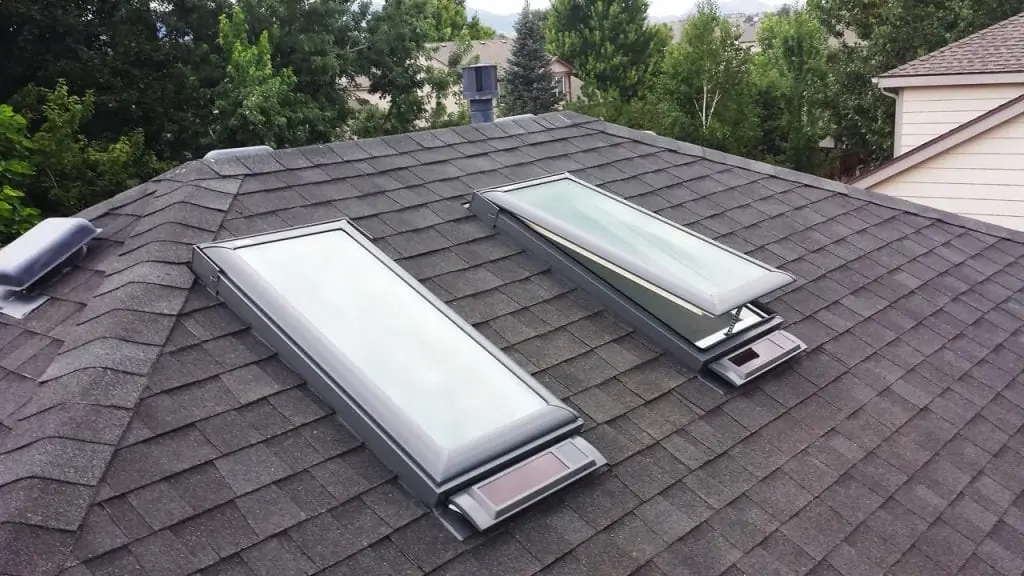
Approaching common skylight windows purchasing mistakes requires looking past retail price tags and aesthetic curb appeal to examine the underlying technical realities of roof integration. A prevalent misunderstanding assumes that any window sized to fit a rough opening can serve as a roof aperture. In reality, vertical wall windows lack the structural reinforcement and specialized exterior drainage design required to withstand horizontal water loading and intense overhead solar radiation.
Analyzing these procurement errors from multiple perspectives reveals that ignoring local climate microclimates during unit selection is a primary driver of long-term failure. For instance, purchasing unrated standard glass for a mountain cabin subject to heavy snow loads or high-wind zones risks catastrophic pane fracture. Furthermore, oversimplification risks multiply when buyers assume that selecting a budget-friendly model without a manufacturer-matched flashing kit saves money, when custom-fabricating on-site flashing frequently triples installation labor costs.
True mastery of avoiding common skylight windows purchasing mistakes involves aligning dimensional specifications, thermal performance ratings, and structural load capacities with the specific architecture of the roof. Recognizing that procurement decisions dictate operational safety prevents the compounding financial burdens that plague uncalculated fenestration investments.
Deep Contextual Background: The Evolution of Fenestration Procurement
The procurement of overhead daylighting systems has transformed from a bespoke artisanal craft into a highly regulated, standardized manufacturing sector. Historically, roof windows were custom-built on-site by carpenters using single-pane glass, lead sheeting, and organic mastics. These early installations required rigorous, ongoing maintenance and were highly susceptible to weather infiltration.
As modern building science matured through the late twentieth century, the introduction of factory-sealed insulated glass units, extruded aluminum framing, and pre-engineered flashing systems revolutionized the market. Procurement shifted from raw material assembly to selecting complex, integrated window systems. However, this standardization created a false sense of consumer simplicity, leading buyers to treat roof windows like modular household appliances rather than complex building envelope components. Consequently, contemporary procurement demands a sophisticated understanding of thermal ratings, solar heat gain coefficients, and structural engineering tolerances.
Today, analyzing common skylight windows purchasing mistakes requires reconciling advanced manufacturing specifications with the physical realities of residential and commercial framing. Modern property management demands disciplined procurement oversight to ensure long-term weatherproofing and energy efficiency.
Conceptual Frameworks and Mental Models
Navigating the technical and financial complexities of procuring overhead glazing benefits from structured mental models and engineering frameworks.
1. The Total Envelope Integration Matrix
This model evaluates a window unit not as a standalone object, but as an integrated component that must harmonize with roof deck underlayments, shingles, and interior framing.
-
Limit: It relies on standardized roof construction assumptions, occasionally failing to capture anomalies in vintage or irregular framing.
2. The Thermal-Solar Performance Trade-Off Curve
This framework maps the delicate balance between maximizing solar heat gain for winter warmth and minimizing ultraviolet cooling loads during summer months.
-
Limit: It generalizes regional climate averages, sometimes underestimating severe localized microclimate fluctuations.
3. The Initial Acquisition vs. Lifetime Cost Ratio
This mental model establishes how saving money on cheap, uncertified window units during procurement exponentially increases long-term repair and replacement expenditures.
-
Limit: It requires accurate predictive modeling of future energy tariffs and maintenance inflation rates.
Key Categories, Variations, and Trade-Offs
Examining procurement errors requires categorizing distinct selection dimensions and evaluating their associated performance trade-offs.
Procurement Categories and Trade-Offs
-
Glazing Material Selection (Glass vs. Polycarbonate): Choosing between rigid tempered glass and lightweight plastic domes. Trade-off: Plastic is cheaper and impact-resistant, but yellows under UV exposure and lacks the optical clarity and longevity of glass.
-
Operable vs. Fixed Unit Sourcing: Selecting between manual/solar venting windows and stationary light-conduits. Trade-off: Operable units enhance ventilation, yet introduce mechanical wear points and higher initial acquisition costs.
-
Flashing Kit Compatibility Matching: Buying proprietary flashing kits designed specifically for the chosen window model versus relying on universal field-bent metal. Trade-off: Proprietary kits ensure weatherproofing, but limit cross-brand purchasing flexibility.
-
Solar Heat Gain Coefficient (SHGC) Optimization: Balancing high solar transmittance for cold climates against low transmittance for hot sunbelts. Trade-off: Maximizing winter solar gain can overheat interior spaces during summer months without shading accessories.
-
Dimensional Sizing to Rafter Spacing: Sourcing window widths that span cleanly between existing roof rafters versus ordering oversized units. Trade-off: Standard sizing avoids costly structural header framing, but restricts interior light distribution angles.
-
Energy Star and NFRC Certification Verification: Purchasing certified high-efficiency units versus unrated discount models. Trade-off: Certified units require higher upfront capital, but qualify for tax credits and lower lifetime utility bills.
Category Comparison Table
| Procurement Dimension | Budget-Driven Choice | Performance-Optimized Choice | Primary Trade-Off |
| Glazing Type | Plastic Polycarbonate Dome | Insulated Low-E Tempered Glass | Upfront cost vs. optical longevity |
| Operation Style | Fixed Stationary Unit | Solar-Powered Venting Sash | Ventilation utility vs. mechanical risk |
| Flashing Sourcing | Universal Field-Bent Metal | Manufacturer-Engineered Kit | Custom savings vs. weather security |
| Thermal Ratings | Unrated Standard Pane | NFRC Certified Triple-Pane | Acquisition price vs. energy savings |
| Dimensional Fit | Oversized Custom Order | Rafter-Matched Standard Size | Design scope vs. carpentry expense |
Realistic Decision Logic
When evaluating procurement options to avoid common skylight windows purchasing mistakes, buyers must prioritize weatherproofing compatibility and structural safety over superficial cosmetic features. If a procurement budget forces a choice between purchasing integrated manufacturer flashing kits or upgrading to luxury tinted glass, capital must always be allocated to the flashing kit. Skimping on foundational weather-shedding accessories to afford aesthetic enhancements guarantees premature water infiltration failures.
Detailed Real-World Scenarios
A : Purchasing Unrated Plastic Domes for a High-Snow Region
-
Context: A property owner procures inexpensive polycarbonate dome windows for a mountain home without checking structural snow load ratings.
-
Constraints: Tight initial procurement budget; severe winter weather conditions.
-
Decision Points: Selecting low-cost plastic units to minimize upfront capital outlays, bypassing heavy snow-rated tempered glass assemblies.
-
Failure Modes: Heavy winter snow loads crack the brittle plastic domes, causing structural collapse and severe indoor water damage during spring thaws.
-
Second-Order Effects: Total unit replacement required within two seasons, wiping out initial savings and necessitating expensive interior ceiling repairs.
B : Sourcing Mismatched Flashing Kits across Brands
-
Context: A renovator purchases a high-end window unit from one manufacturer and attempts to pair it with a discount universal flashing kit to save money.
-
Constraints: Strict procurement budget; desire for brand-name window glass.
-
Decision Points: Bypassing proprietary factory flashing kits in favor of generic field-adapted metal step flashings.
-
Failure Modes: Dimensional discrepancies between the window frame and generic flashing prevent proper water-shedding laps, resulting in chronic wind-driven rain leaks.
-
Second-Order Effects: Costly labor hours required to tear out the mismatched flashing and install a proper factory-matched kit after the fact.
C : Ignoring Rfter Spacing Constraints During Sizing
-
Context: A homeowner orders an oversized architectural roof window online based solely on interior ceiling room dimensions, ignoring exterior roof framing.
-
Constraints: Fixed structural framing layout; finished vaulted drywall ceilings.
-
Decision Points: Procuring a wide window unit that cuts across three major roof rafters without budgeting for structural header installation.
-
Failure Modes: Cutting roof framing members without temporary shoring or engineered headers, causing localized roof deck sagging and building code violations.
-
Second-Order Effects: Emergency carpentry interventions, severe project delays, and substantial budget overruns to rectify structural integrity.
D : Overlooking Solar Heat Gain in Hot Climates
-
Context: A commercial building manager procures large, clear-glass fixed roof windows for a southern sunbelt office without verifying solar heat gain coefficients.
-
Constraints: Fixed procurement contract; tenant comfort expectations.
-
Decision Points: Choosing high-transmittance clear glass to maximize visible light, ignoring high solar heat gain ratings.
-
Failure Modes: Excessive solar radiation transforms the top-floor office space into a greenhouse, overwhelming the HVAC cooling capacity.
-
Second-Order Effects: Soaring energy utility bills, tenant complaints, and subsequent capital outlays required to install retrofit exterior solar shading screens.
Planning, Cost, and Resource Dynamics
Strategic financial planning is essential when navigating procurement to avoid common skylight windows purchasing mistakes, ensuring that initial outlays align with long-term operational performance.
Cost Structure and Variability
-
Unit Acquisition and Hardware Costs: Base retail pricing for window sashes, glass packages, and operating motors.
-
Proprietary Accessory Expenses: Additional outlays for factory-matched flashing kits, underlayment membranes, and mounting brackets.
-
Freight and Delivery Surcharges: Specialized crating and shipping fees for fragile oversized glass units.
-
Contingency Reserve Allocation: A designated 15% to 20% buffer reserved for unexpected structural framing modifications or specification corrections.
Cost Range Reference Table
| Procurement Component | Average Financial Range | Primary Cost Drivers | Risk Level of Error |
| Standard Fixed Glass Unit | $300 – $1,200 | Glass size, framing material | Low – Moderate |
| Solar Venting Operator Unit | $800 – $2,500 | Motorization, rain sensors, remote | Moderate |
| Proprietary Flashing Kit | $150 – $400 | Metal type (aluminum/copper) | High (if omitted) |
| Oversized Custom Glazing | $2,500 – $6,000+ | Custom engineering, heavy crating | High |
Tools, Strategies, and Support Systems
Executing a flawless procurement strategy requires specialized tools, technical specification guides, and professional support networks.
-
Manufacturer Technical Sourcing Catalogs: Digital reference manuals outlining exact dimensional tolerances, rafter spans, and compatible flashing part numbers.
-
NFRC Energy Performance Labels: Standardized rating sheets verifying U-factor, solar heat gain coefficient, and visible transmittance metrics.
-
Digital Roof Pitch Finders: Precision measurement tools ensuring selected windows match minimum roof slope requirements.
-
Building Code Compliance Checkpoints: Administrative guides verifying local structural load, egress, and energy efficiency mandates before purchase.
-
Wholesale Distribution Networks: Commercial supply channels offering verified commercial-grade procurement options and volume discounts.
-
Architectural Glazing Specifiers: Professional engineering consultants used to review complex commercial or oversized residential procurement lists.
-
Warranty Documentation Archives: Formal registries tracking manufacturer defect guarantees and component replacement terms.
Risk Landscape and Failure Modes
Procuring overhead glazing without rigorous technical vetting introduces compounding operational and structural risks.
-
Catastrophic Glass Fracture: Procuring uncertified or non-tempered glass in overhead applications creates severe safety hazards from falling shards.
-
Runaway Water Infiltration: Sourcing incompatible flashing kits or wrong-pitch units guarantees hidden roof deck rot and interior ceiling damage.
-
Severe Thermal Inefficiency: Selecting improper solar heat gain coefficients leads to extreme indoor temperature fluctuations and inflated HVAC utility bills.
-
Regulatory Non-Compliance Fines: Purchasing units that violate local building energy codes or egress standards results in costly municipal stop-work orders.
-
Voided Manufacturer Guarantees: Installing unapproved aftermarket components or mismatched flashing systems instantly invalidates product warranties.
Governance, Maintenance, and Long-Term Adaptation
Protecting an architectural glazing investment from procurement-induced failure requires structured governance and disciplined post-purchase verification protocols.
Monitoring and Review Cycles
-
Pre-Installation Specification Audit: Verify all delivered box part numbers, glass ratings, and flashing kit components against architectural plans prior to opening rough framing.
-
Post-Delivery Damage Inspection: Inspect glass seals, frame corners, and mechanical operator systems immediately upon freight delivery.
-
Code Compliance Sign-Off: Review municipal permit requirements to ensure procured units satisfy local structural and energy standards.
-
Warranty Registration Logging: Complete and file manufacturer warranty registrations immediately following purchase to secure coverage terms.
Layered Maintenance Checklist
-
[ ] Verify that delivered flashing kits match the specific shingle or metal roof profile.
-
[ ] Check NFRC energy labels against regional climate performance requirements.
-
[ ] Inspect glass pane surfaces for transit scratches, seal failures, or manufacturing defects.
-
[ ] Confirm that manual or solar operating accessories match the window curb dimensions.
-
[ ] Review delivery manifests against contractor installation scheduling timelines.
Measurement, Tracking, and Evaluation
Assessing whether a procurement strategy successfully avoided common skylight windows purchasing mistakes involves monitoring quantitative performance data and qualitative indicators.
-
Leading Indicators: Completed pre-installation audit logs, verified NFRC energy labels, and matched component part numbers.
-
Lagging Indicators: Zero procurement returns, absence of installation compatibility delays, and flawless post-installation weatherproofing.
-
Qualitative Signals: Perfect alignment between expected interior daylighting and actual performance, smooth mechanical operation, and complete warranty security.
-
Documentation Examples: Maintaining a dedicated procurement ledger tracking itemized vendor invoices, NFRC specification sheets, and manufacturer warranty certificates.
Common Misconceptions and Oversimplifications
-
Myth: Any window labeled for residential use can be safely installed on a sloped roof plane.
-
Correction: Roof windows require specialized structural framing reinforcement and gravity-fed flashing kits that vertical wall windows completely lack.
-
-
Myth: Purchasing discount universal flashing kits saves money without compromising weatherproofing.
-
Correction: Mismatched flashing kits frequently cause chronic leaks, resulting in repair costs that far exceed the initial savings.
-
-
Myth: Plastic dome skylights offer the same optical clarity and longevity as tempered glass units.
-
Correction: Polycarbonate domes degrade under ultraviolet exposure, yellow over time, and lack the thermal efficiency of glass.
-
-
Myth: Energy ratings do not matter for roof windows because they only provide light.
-
Correction: Overhead glazing admits massive solar heat loads, making NFRC thermal ratings critical for controlling indoor HVAC utility costs.
-
-
Myth: Sizing a roof window can be done accurately by measuring interior ceiling drywall openings.
-
Correction: Procurement sizing must account for exterior roof rafter spacing and structural header framing requirements.
-
-
Myth: Manufacturer warranties cover leaks regardless of how the unit was procured or installed.
-
Correction: Warranties are almost universally voided if unapproved components or mismatched flashing kits are used during procurement and installation.
-
Ethical, Practical, and Contextual Considerations
The practical implications of mastering how to avoid common skylight windows purchasing mistakes extend far beyond individual property economics. Procuring uncertified or structurally inadequate glazing introduces severe safety liabilities, indoor air quality risks from mold, and wasted energy resources. Upholding rigorous procurement standards ensures long-term asset preservation, occupant safety, and responsible environmental stewardship across the built environment.
Conclusion
Mastering the avoidance of common skylight windows purchasing mistakes requires an uncompromised commitment to building science, rigorous technical specification review, and disciplined financial planning. By looking past surface-level retail discounts to verify NFRC energy ratings, secure manufacturer-matched flashing kits, and respect structural rafter constraints, property owners can achieve enduring architectural transformations. True long-term success is secured through patient procurement diligence and technical accuracy.